

All Authors


September 26, 2026 • 2 Minute Read
When Life Doesn't Add Up
Sometimes life just doesn't add up. The healthy person gets sick. The generous person gets overlooked. The kid who did everything right ends up hurting. Ecclesiastes has a word for that: hevel. Hevel is not just vapor, but an enigma. A puzzle. The stubborn reality that the world doesn't always work the way we think it should. Here's what I love about the Bible: it doesn't pretend. It doesn't tell us to slap a smile on our confusion or spiritualize away our grief. It hands us a whole book—Ecclesiastes—that basically says, "Yeah. Some of this is really hard. Some of it won't be figured out this side of eternity." And yet. The same Bible tells us that God didn't stay at a distance from all that hevel. He stepped into it. Jesus entered the human story—the suffering, the injustice, the tears at gravesides—and carried it all the way to a cross. He knows what it feels like when things aren't right. And he's the only one who can actually make what's crooked straight. So if you're in a season where the math isn't working, you're in good company. You don't have to force it to make sense before you can bring it to God. Just bring it. He can handle your questions. He's already in the middle of your mess.hevel

September 20, 2026 • 8 Minute Read
What Do We Do When Life Feels Like Vapor?
OVERVIEW 👀 Greg Seymour kicks off a series through Ecclesiastes by unpacking the Hebrew word hevel—often translated "meaningless," but really closer to vapor, smoke, or breath. Life is real and tangible, yet it slips through our fingers just as quickly as it comes. Greg walks us through the teacher's thought experiments on pleasure, wealth, and wisdom, and honestly shares his own year of wrestling with the hevel of his dad's rapid decline into dementia. In the end, Greg points us to Jesus—the bread of life and living water—who steps into our brokenness and is the only true fulfillment for the deepest longings of our hearts.vapor TIPS 📌 For the greatest impact, invite a few others to go through this study guide with you. You don't need to do every section and question—use what fits your group or season. Let the Spirit highlight where to slow down and engage. ICEBREAKER(S) 🧊 If you had Solomon-level money for one weekend, what's the most ridiculous thing you'd spend it on? BIBLE PASSAGE(S) 📖 Ecclesiastes 1:1-18 (NIV) 1 The words of the Teacher, son of David, king in Jerusalem:
2 "Meaningless! Meaningless!" says the Teacher. "Utterly meaningless! Everything is meaningless."
3 What do people gain from all their labors at which they toil under the sun?
4 Generations come and generations go, but the earth remains forever.
5 The sun rises and the sun sets, and hurries back to where it rises.
6 The wind blows to the south and turns to the north; round and round it goes, ever returning on its course.
7 All streams flow into the sea, yet the sea is never full. To the place the streams come from, there they return again.
8 All things are wearisome, more than one can say. The eye never has enough of seeing, nor the ear its fill of hearing.
9 What has been will be again, what has been done will be done again; there is nothing new under the sun.
10 Is there anything of which one can say, "Look! This is something new"? It was here already, long ago; it was here before our time.
11 No one remembers the former generations, and even those yet to come will not be remembered by those who follow them.
12 I, the Teacher, was king over Israel in Jerusalem.
13 I applied my mind to study and to explore by wisdom all that is done under the heavens. What a heavy burden God has laid on mankind!
14 I have seen all the things that are done under the sun; all of them are meaningless, a chasing after the wind.
15 What is crooked cannot be straightened; what is lacking cannot be counted.
16 I said to myself, "Look, I have increased in wisdom more than anyone who has ruled over Jerusalem before me; I have experienced much of wisdom and knowledge."
17 Then I applied myself to the understanding of wisdom, and also of madness and folly, but I learned that this, too, is a chasing after the wind.
18 For with much wisdom comes much sorrow; the more knowledge, the more grief. Ecclesiastes 2:10-11 (NIV) 10 I denied myself nothing my eyes desired; I refused my heart no pleasure. My heart took delight in all my labor, and this was the reward for all my toil.
11 Yet when I surveyed all that my hands had done and what I had toiled to achieve, everything was meaningless, a chasing after the wind; nothing was gained under the sun. Ecclesiastes 2:24-26 (NIV) 24 A person can do nothing better than to eat and drink and find satisfaction in their own toil. This too, I see, is from the hand of God,
25 for without him, who can eat or find enjoyment?
26 To the person who pleases him, God gives wisdom, knowledge and happiness, but to the sinner he gives the task of gathering and storing up wealth to hand it over to the one who pleases God. This too is meaningless, a chasing after the wind. John 6:35 (NIV) 35 Then Jesus declared, "I am the bread of life. Whoever comes to me will never go hungry, and whoever believes in me will never be thirsty." OBSERVATION 🔎 What repeated words, phrases, or images do you notice in Ecclesiastes 1? What effect does the repetition have on you as you read? In Ecclesiastes 1:12-18, what does the teacher pursue, and what does he conclude about it? What surprises you about his conclusion? In John 6:35, what does Jesus claim about himself, and how does that connect (or contrast) with what the teacher observes in Ecclesiastes? APPLICATION 👋 What are the "under the sun" things you've been chasing lately, hoping they'll finally satisfy you? Think about your time, money, energy, and daydreams—what keeps rising to the top? Greg described hevel as vapor: real and tangible, but slipping through your fingers. Where have you experienced that in your own life? Sometimes saying it out loud helps us loosen our grip on it. Have you ever fallen into the trap of treating your walk with God like a bargain—"if I do X, God will do Y"? What did that reveal about what you were actually trusting in? When hevel shows up in your life, how do you tend to respond—anger, apathy, blame, or trust? Greg was honest about wrestling with anger and apathy this past year, and it's worth asking where we land. Greg shared about his dad's dementia and how it feels "so hevel." Is there a situation in your life right now that feels unfair, enigmatic, or like it goes against how the world ought to work? Sometimes just naming it in community is the first step toward healing. Jesus calls himself the bread of life and living water. What would it look like this week to actually feed on him instead of the things you usually run to for comfort? Get practical—what habit, rhythm, or moment could shift? What's one area where you need to stop trying to straighten what's crooked on your own and instead trust that God is still good and still working? This isn't about giving up—it's about surrendering. LIVE ON BELAY 🏔️ Reach out to someone you know who's walking through a hevel season—a diagnosis, a loss, a confusing chapter. Don't try to fix it. Just show up, listen, and remind them they're not alone. Pick one "under the sun" pursuit you've been chasing too hard and intentionally loosen your grip this week. Give away money, say no to an extra work project, or take a Sabbath from the thing you've been idolizing. Share a meal with someone and let it be a small act of worship. Thank God for the food, enjoy the people, and practice receiving joy as a gift instead of chasing it as a goal. Write a short note or send a text to someone whose life has quietly influenced yours—a mentor, a parent, an old friend. Push back against the reality that "no one remembers" by remembering out loud. Invite someone who's wrestling with big questions about meaning, suffering, or God to read Ecclesiastes with you over coffee. It's only 12 chapters and it meets people where they actually are. PRAYER 🙏 Thank God for stepping into the hevel of human existence through Jesus, and ask him to help you truly rest in that today. Confess any way you've been chasing wind—pleasure, wealth, wisdom, or approval—and ask God to reorder your desires around him. Bring the hevel of your own life honestly to God: the losses, the enigmas, the "this isn't how it's supposed to be." Ask him for grace to trust even when you can't see. Pray for someone you know who is suffering right now, that they would sense God's presence and be met by his people. Ask God to make you the kind of person who feeds on Jesus daily—the bread of life and living water—so you have something real to offer a hurting world. WORSHIP 🙌 OUTLINE 📝 Big Idea: Life under the sun is hevel—vapor and enigma—but Jesus steps into the brokenness and becomes the only lasting fulfillment for our deepest longings. Understanding Hevel Not "meaningless"—more like vapor, smoke, breath Real and tangible, but slips through your fingers An enigma—things that don't work the way we think they should First used as Abel's name in Genesis 4 Life Under the Sun Generations come and go, nothing new Even wise people are eventually forgotten What is crooked cannot be straightened The Teacher's Thought Experiments Pleasure and hedonism—chasing the wind Wealth—never enough, and you leave it behind Wisdom—better than folly, but death still comes The Trap of Using God as a Means to an End Our walk with God isn't a bargain What do we do when the hevel comes? Greg's honest wrestle with his dad's dementia Where Ecclesiastes Leaves Us, the Gospel Picks Us Up Jesus is the bread of life and living water He steps into human suffering, not around it He makes crooked things straight Takeaway: When everything under the sun proves to be vapor, Jesus is the one thing worth holding onto—because he's holding onto you.
September 19, 2026 • 2 Minute Read
What Is a Christian Mentor?
We weren't meant to follow Jesus alone. From the very beginning, God designed the Christian life to be walked together. Jesus did it with the Twelve. Paul did it with Timothy. Elizabeth did it with Mary. Over and over in Scripture, we see the same pattern: someone a little further down the road walking alongside someone a little earlier in the journey. That's the heart of Christian mentoring — and it usually starts with one person: a mentor. So What Is a Christian Mentor, Exactly? A Christian mentor is a more mature believer who intentionally invests in the spiritual growth of another. They're not a counselor. Not a therapist. Not a teacher. And definitely not someone with all the answers. They're simply this: a trusted friend who helps you take your next step with Jesus. A good mentor might help you: Grow in prayer, Scripture, and other spiritual disciplines Work through a hard season with wisdom and perspective Discover and use your spiritual gifts Navigate big decisions — vocation, relationships, family Break patterns that keep you stuck Grow in Christlike character The goal isn't information. It's transformation. Why It Matters Left to ourselves, we tend to drift. We settle. We get stuck in the same patterns and wonder why nothing changes. A mentor changes that. They notice what we miss. They ask the questions we'd rather avoid. They cheer us on when we want to quit. And they remind us of who we are in Christ when we forget. Proverbs puts it plainly: “As iron sharpens iron, so one person sharpens another” (Proverbs 27:17). You were never meant to grow alone. And you don't have to. Your Next Step At Belay, we're in the early stages of building a mentoring ministry — and we'd love to know if this is something you'd want to be part of. In the meantime, we're happy to connect you 1:1 with someone who can walk with you now. If you're interested — even just curious — reach out to leadership.

September 17, 2026 • 2 Minute Read
Advisory Board Member
Overview Advisory Board Members help steward the life and health of Belay — managing the church's internal business, supporting the Pastor, and helping shape a community where people belong, believe, become, and belay. You're a Good Fit If… You're a mature follower of Jesus with a track record of Christian character (Acts 6:3; 1 Timothy 3:1-10) You love Belay and want to see it thrive You're wise, prayerful, and can hold things in confidence You're willing to speak honestly and listen well You're a Belay Partner in good standing Time Commitment About 2 hours per month for the board meeting, plus occasional emails, WhatsApp threads, and prayer in between. Terms are 3 years, with a max of three consecutive terms (per Belay's Provisional Bylaws). Responsibilities The word BOARD captures the heart of the role: B — Business Help manage the internal business affairs of the church, acting as trustees. O — Operation Approve teams or committees as necessary to accomplish the mission of Belay, all operating under the supervision of the Advisory Board and Pastor. A — Advisory Serve as a sounding board to the Pastor in all matters pertaining to the spiritual life of the church. R — Review Recommend individuals to pursue Partnership, review Partnership applications, welcome qualified applicants, and help oversee the Partnership roster as needed. D — Deacon Aid the church and its leadership in the spirit of Acts 6:1–6 — serving so the Pastor can focus on prayer and the ministry of the Word. What Success Looks Like The Pastor feels supported, the church stays healthy and mission-focused, and decisions are made with prayer, wisdom, and unity. Belay keeps growing as a space to belong, believe, become, and belay. Equipment / Tools Needed Smartphone or computer WhatsApp (for team communication) Email Ministry Alignments For those who serve on the Advisory Board at Belay, we ask for strong and substantial agreement in seven key areas. Please read about them here:alignment

September 16, 2026 • 2 Minute Read
Partnership Agreement
Ready to Partner? If you’re ready to partner with Belay, please read the following and then complete partnership agreement below. What is a Belay Partner? A Belay Partner is a follower of Jesus who makes a formal commitment to Belay—to personally invest in its vision, actively engage in the life of the church, prayerfully support its leadership, and willingly share in both its responsibilities and blessings. As a candidate for Partnership at Belay Church, I affirm that I have turned to God in repentance and have faith in our Lord Jesus Christ (Acts 20:21) and am growing in the fruit thereof (Galatians 5:19–25). I have been water baptized, am eighteen (18) years of age or older, have substantial agreement with Belay’s statements of faith, and agree to be governed by its Bylaws. Furthermore, I commit to fulfill to the following Partnership Responsibilities: Pray: I will pray regularly for the church, its leadership, its people, and its ministries (Ephesians 6:18; 2 Thessalonians 1:11–12). Assemble: I will assemble regularly with the church—attending officially scheduled worship services, contributing to life-giving fellowship, and engaging in corporate worship (Hebrews 10:24–25). Resource: I will resource the church financially through the faithful giving of a generous portion of my tithes and offerings (1 Corinthians 16:2; 2 Corinthians 9:6–15). Take Initiative: I will take initiative to serve the ministry of the church—discovering, growing, and using my abilities and spiritual gifts to bless others (Acts 1:8; Romans 12:3–8; 1 Peter 4:10). Nurture Unity: I will nurture and protect the health and unity of the church by seeking reconciliation and resolving conflict according to the biblical model (Matthew 18:15–17; 1 Corinthians 1:10). Embody: I will familiarize myself with, actively support, and personally embody the church’s vision, mission, values, and beliefs (Isaiah 30:8; Habakkuk 2:2). Respond Positively: I will respond positively to all partnership responsibilities detailed above and in the Belay bylaws, and remain willing to help meet needs and serve as opportunities arise (Ecclesiastes 4:9–12; Acts 6:1–7). Therefore, I humbly request that my Partnership Agreement be considered by the Board, and that my name be added to the official Partnership roster of Belay Church.Complete the Agreementpartnership

September 16, 2026 • 7 Minute Read
Provisional Belay Bylaws
ARTICLE I. NAME The name of this church, (hereinafter referred to as “church,” “this church,” or “the church”), is Belay Church, of the city of Boulder, county of Boulder, state of Colorado. ARTICLE II. PURPOSE AND PREROGATIVES The purpose of this church shall be to: Encourage and promote the evangelization of the world. Establish and maintain the worship of God. Provide a basis of fellowship among fellow believers. Encourage and promote the spiritual growth and discipleship of believers. Serve the needs of the local community as feasible in any biblically aligned manner and respond to human need with ministries of service and compassion. Own, hold in trust, use, sell, convey, mortgage, lease, or otherwise acquire or dispose of such property (real or chattel) as may be needed for accomplishing the mission of the church. To have a partnership (membership) established by the church and the Rocky Mountain Ministry Network (hereinafter referred to as RMMN). ARTICLE III. PRINCIPLES FOR FELLOWSHIP This church shall as nearly as possible represent the body of Christ as described in the New Testament, recognizing the principles inherent in that body as also inherent in this fellowship, particularly the principles of unity, fellowship, cooperation, and equality. ARTICLE IV. STATEMENT OF FUNDAMENTAL TRUTHS This church accepts the Bible as our all-sufficient rule for faith and practice and accepts The General Council of the Assemblies of God (hereinafter referred to as AGUSA) Statement of Fundamental Truths. The full statement is available at https://ag.org/Beliefs/Statement-of-Fundamental-Truths. ARTICLE V. CORPORATE MANAGEMENT Section 1. Governance This assembly shall be affiliated with The RMMN. Partners may be accepted into the local church. The Superintendent/Network Pastor, acting as President and Chairman, Network Secretary-Treasurer, acting as Legal Secretary, Sectional Presbyter, Sectional Committeemen, together with the Pastor, shall comprise the Official Church Board (hereinafter referred to as OCB). If there are partners in the church who qualify according to the Scriptures as a Deacon, they may be appointed by the OCB to serve as an Advisory Board (hereinafter referred to as AB), the Pastor serving as the chairperson of the AB. The Pastor shall be appointed by the Network Presbytery, upon the recommendation of local Sectional Presbyter, and shall be appointed for an indefinite period of time. The Pastor shall be the spiritual overseer of the Assembly, providing for the care, nurture, and discipleship of the congregation. He/She shall direct the business affairs and administration of the church. The church ministry leadership shall be appointed and supervised by the Pastor. He/She shall be an ex-officio member of all committees. All action taken under the Provisional Bylaws shall be subject to review and approval of the Network Presbytery. An annual evaluation of the Pastor shall be conducted under the auspices of the OCB. Other church leaders and ministries may be evaluated by the OCB at its discretion. Section 2. Advisory Board This church shall have an Advisory Board. Composition. The AB shall consist of at minimum 2 Members, not including the chairperson. Qualifications. AB Members shall be men or women of mature Christian experience and knowledge, and shall meet the leadership requirements described in Acts 6 and 1 Timothy 3. Selection. Members of the AB shall be selected and appointed by the Pastor. Terms of Office. Members of the AB shall serve for a period of three years and shall serve no more than three consecutive terms followed by a required minimum one year period prior to reappointment to the AB. Responsibilities: AB Members shall perform the following responsibilities: Business. The AB shall manage the internal business affairs of the church, acting as trustees. Operation. The AB is authorized to appoint teams or committees as necessary to accomplish the mission of the church, with all such groups operating under the supervision of the AB and Lead Pastor. Advisory. The AB shall serve in an advisory capacity to the Pastor in all matters pertaining to the spiritual life of the church. Review. The AB shall recommend individuals to pursue partnership, review partnership applications, make decisions regarding the reception of qualified applicants into church Partnership, and oversee the removal of Partners from the Partnership roster as needed. Deacon. Individual AB Members, with the exception of the Pastor, may also be referred to as deacons and shall bear the responsibility of aiding the church and its leadership in the manner and spirit described in Acts 6:2–6. Conflicts of Interest: AB Members shall not be members of the paid pastoral staff. However, consideration may be given to credentialed Assemblies of God ministers who are also Partners of the church and not paid staff. AB Member’s term of service shall not overlap that of any relative (by blood, marriage, or adoption) serving on the AB or church staff. ARTICLE VI. FINANCES Whereas the Scriptures clearly state “the workman is worthy of his hire” (Luke 10:7; I Timothy 5:18), the church shall accept the responsibility of faithfully supporting its ministries with their tithes and offerings. An equitable financial arrangement for the Pastor shall be reached at the time of appointment, and reviewed annually under the supervision of the Superintendent/Network Pastor, Network Secretary-Treasurer or their designated agent. The church shall endeavor to support various missionaries and projects approved by the RMMN and AGUSA World and US Missions departments. The Pastor shall call a meeting of the church at least once a year, and he/she or someone instructed by him/her, shall give a financial report. All church funds shall be properly accounted for in the local church financial records. The Provisional Bylaws shall be made available to the congregation at this annual meeting. The Pastor shall ensure that financial reports are submitted according to RMMN requirements. The church shall abide by a financial plan. The OCB shall approve the financial plan and any revisions. The purchase or sale of property as well as any indebtedness shall be brought to the RMMN for their consideration and approval. ARTICLE VII. DISCIPLINE When general dissatisfaction arises in the church, a business meeting may be called by the Superintendent/Network Pastor. Discipline of partners shall be the responsibility of the Lead Pastor and Sectional Presbyter under the direction of the OCB. The partner has the right of appeal to the Network Executive Presbytery. If at any time the Pastor wishes to leave the church, he/she shall resign to the OCB. In the event a pastor has serious charges preferred against him/her, or his/her ministry ceases to be effective, the Network Presbytery may terminate his/her appointment. ARTICLE VIII. SUPERVISION This church shall function under the authority of the RMMN Presbytery Board. Direct supervision shall be carried out by the Superintendent/Network Pastor, Network Secretary-Treasurer or their designated agent. Construction or remodeling of church facilities shall be under the supervision of the RMMN. ARTICLE IX. PROPERTIES All properties shall be secured to The RMMN. ARTICLE X. DEFINITIONS AND OBJECTIVES Section 1. Definitions General Council Affiliated Church. A General Council affiliated church is a fully autonomous congregation within the AGUSA that meets the requirements for self-governance under the AGUSA Constitution and Bylaws. Such a church governs its own affairs—including pastoral selection, property ownership, and ministry decisions—while remaining accountable to the broader Fellowship for doctrinal unity and cooperative mission. To qualify, a congregation must maintain at least twenty voting members, a credentialed lead pastor, a demonstrated record of self-sustaining ministry, and faithful adherence to AG doctrine and polity. District Affiliated Church. A District affiliated church is a congregation that has not yet attained full self-governance and therefore remains under the oversight and care of the RMMN. It is typically led by a pastor appointed or approved by the RMMN, often assisted by a provisional advisory board, with key matters—such as pastoral placement, property transactions, major expenditures, and affiliation changes—subject to District approval. This status is generally transitional, providing support to newer or developing congregations as they grow toward the qualifications for General Council affiliation. Section 2. Objectives The Pastor, with the help of the AB, will develop the church to a place of maturity where it may be organized into a General Council affiliated church. ARTICLE XI. REPRESENTATION The church has the privilege of sending one accredited delegate to the RMMN Council and sectional elections.

September 11, 2026 • 2 Minute Read
Worship Team Member
Overview Worship team members help create meaningful worship moments at select services and events using their musical gifts alongside others. You're a Good Fit If… You have solid musical skill on your instrument or voice (see Musical Qualifications below) You're a team player who blends well with others You're growing in your own walk with Jesus and want worship to flow from that You're reliable — quick to respond, prepared, and on time Time Commitment About 2–3 hours on your assigned Sunday (arrival, rehearsal, service) personal practice during the week. Commitment is by semester (Fall, Spring, Summer). Musical Qualifications Instrumentalists: Can keep your instrument in tune, play in multiple keys, keep time, and blend well with others on the team. Vocalists: Can sing on pitch, harmonize, keep rhythm, listen well, and blend with others on the team. Responsibilities Respond: Reply to volunteer requests quickly in the Worship Tools Planning app. Song Prep: Practice your assigned songs—know the lyrics, keys, and arrangements. Rehearse on your own and with the team. Spiritual Prep: Stay connected to Christ and keep growing in your faith, so you can lead from a place of genuine devotion. Cooperate: Work well with fellow musicians, singers, and techs. Respect and support each other. What Success Looks Like The team sounds unified The congregation is drawn into worship Jesus — not the music — is the main thing. You show up prepared, present, and ready to serve. Equipment Needed Smartphone, tablet, or computer Worship Tools Planning app Worship Tools Charts app (Optional) Your instrument Ministry Alignments For those involved in worship ministry at Belay, we ask for strong and substantial agreement in seven key areas. Please read about them here:alignment

September 11, 2026 • 5 Minute Read
Ministry Alignments
Our Aim For those involved in ministry at Belay, we aim for strong and substantial agreement in seven key areas. These areas of alignment exist to protect our unity, maintain biblical integrity, and ensure a healthy ministry culture at Belay. I appeal to you, brothers and sisters, in the name of our Lord Jesus Christ, that all of you agree with one another in what you say and that there be no divisions among you, but that you be perfectly united in mind and thought (1 Cor. 1:10, NIV). 1. Belief Alignment We affirm and uphold ten core doctrines of the Christian faith as revealed in Holy Scripture (2 Timothy 3:16–17):10 Essential Topics 2. Mission Alignment We align with Belay's Vision, Mission, and Values (Habakkuk 2:2):Vision, Mission, & Values 3. Lifestyle Alignment We commit to living in a way (both in person and online) that reflects our relationship with Christ. Our lives are marked by the following qualities that spell out LIFESTYLE: Love. We reflect Christ's love with compassion, grace, and respect for everyone — refraining from gossip, slander, profanity, and divisive language (John 13:34–35; Ephesians 4:29–32). Integrity. We live lives of consistent, humble integrity that are above reproach (1 Timothy 6:11–16). Faithfulness. We're faithful to attend weekend worship and committed to life together as a Belay family. (Hebrews 10:19–25; Acts 2:42). Eagerness to Learn. We're humble and teachable, open to correction, and accountable to godly authority (Proverbs 12:1; James 4:6). Sexual Purity. We honor God with our bodies, saving sex for marriage, steer clear of pornography, don't live together before we're married, and dress modestly rather than provocatively. (1 Thessalonians 4:3–5; 1 Peter 3:3–4). Truth. We're rooted in God's Word and committed to biblical truth without compromise (2 Timothy 3:16–17). Yielded to Christ. As we yield to Christ, our speech, habits, relationships, and online presence are transformed. We refrain from gambling, tobacco, illegal or recreational drugs, and drunkenness, living as a new creation in Christ (Galatians 5:19–26; Ephesians 5:15–20). Learning Christ. We grow in our relationship with Jesus through a consistent, personal devotional life marked by various spiritual disciplines: prayer, worship, Bible reading, fasting, etc. (Luke 5:16; Psalm 1:1–3, Ephesians 4:17–24). Engaged in Mission. We live on mission (on belay) every day, because we have a deep desire to see people follow Jesus, and grow in their relationship with Him. (Matthew 28:19–20; Mark 10:43–45). Therefore, I urge you, brothers and sisters, in view of God’s mercy, to offer your bodies as a living sacrifice, holy and pleasing to God—this is your true and proper worship. Do not conform to the pattern of this world, but be transformed by the renewing of your mind (Romans 12:1–2, NIV). 4. Stance Alignment We hold the following stances: Human Identity. We believe that God creates each person with an immutable biological sex—male or female—that reflects the image and likeness of God (Genesis 1:26–27; Matthew 19:4). Marriage and Sexuality. We believe that God designed marriage to be a unique, covenantal relationship joining one man and one woman in a single, exclusive, lifelong union. We believe sexual intimacy is a good gift from God and is intended only within that union (1 Corinthians 6:9–11; Romans 1:24–27). Sanctity of Life. We believe that all human life is sacred and endowed by God with inherent dignity. Therefore, human life must be respected and protected from the moment of conception to natural death (Psalm 139:13–16; Jeremiah 1:5). Women in Ministry. We believe God calls and equips both women and men to serve, lead, and teach in the church according to their gifts. We affirm an egalitarian view of church leadership, where women may serve in any role consistent with their calling and character (Galatians 3:28). 5. Culture Alignment We commit to creating a culture that protects our witness, strengthens our unity, and reflects Christ to those we serve. Our convictions include: Alcohol-Free Environments. To protect those who may struggle with addiction, we commit to fostering alcohol-free environments at all church-related gatherings and events. Even if it’s on our “own time,” we refrain from posting images or content on social media that depict the consumption or promotion of alcohol (Romans 14:13-15; Matthew 22:37-40). Racial Unity & Biblical Identity. We affirm that all people are created in the image of God and share equal worth and dignity. Any ideology that elevates race or ethnicity above identity in Christ is contrary to Scripture (Colossians 3:11; Ephesians 2:14–18). Reconciliation & Forgiveness. When disagreements arise, we commit to working them out according to Jesus's teachings—going directly to the person, speaking with humility, and extending the same forgiveness we've received in Christ (Matthew 5:23–26; Matthew 18:15–35). 6. Role Alignment We understand that ministry roles are not permanent assignments and that occasional adjustments help us stay aligned with changing ministry needs. If leadership believes a role change would be best, they will communicate with transparency and grace about the transition (Hebrews 13:17; Ephesians 4:11–13). Likewise, if we feel led to step away from a role or pursue something different, we simply reach out to leadership for a conversation, and they graciously release us to pursue our next step (1 Peter 4:10–11). 7. Accountability Alignment We remain open to ongoing development and feedback from Belay leadership. If questions or concerns arise regarding these alignments, we contact leadership for clarification and guidance. If we no longer have strong and substantial agreement with the above alignments, we work together with Belay leadership to prayerfully determine next steps. Furthermore, if Belay leadership has reason to believe we no longer walk in strong and substantial agreement with these alignments, they will reach out and work with us to prayerfully determine next steps.playbook

September 11, 2026 • 3 Minute Read
Worship Team Leader
Overview Worship Team Leaders are responsible for organizing their team, selecting songs, and leading the musical portion of the service on their assigned Sundays. You're a Good Fit If… You're a capable musician who can clearly lead others in song You can plan ahead, communicate well, and rally a team You're rooted in your walk with Jesus and want to lead others into worship of Him You handle logistics without losing the heart of why we gather Time Commitment About 2-3 hours on your assigned Sunday (arrival, rehearsal, service, teardown), 2–3 hours of prep during the week (team communication, song selection, personal practice). Commitment is by semester (Fall, Spring, Summer). Responsibilities In addition to the responsibilities of a Worship Team Member, the Worship Leader also has the following responsibilities: Pre-Service Build your team (vocals, instruments, percussion, etc.) Choose your songs (see song selection below) Post your set by Saturday 9am If you need sheet music printed, request by Saturday 9am (but try and get it printed on your own) Day of Service Arrive at or before Sunday 9am to give room for setup, rehearsal, and prayer. End rehearsal and setup before 9:35am. Pray with your team. Lead the singing (you should be the clear leader) Keep worship to 20-25 minutes (usually 4-5 songs) Post-Service Ensure all equipment and cords are put away (others can and may help, but it’s you and your team’s responsibility) Song Selection The most important things about song selection are: Biblically sound. Is the song Biblically and theologically true? Singable. Is it in a key people can sing? Is the melody easy to follow? Understandable. Is the song overly poetic to the point that it’s hard to follow? If so, does it need to be briefly explained before it’s sung? If the songs meet the above criteria, and you’re allowing the Spirit lead you as you select, then go for it. Optionally, you can also align the songs with the message being preached, or with the corresponding weekly anchor: 1st Sunday: Belong 2nd Sunday: Believe 3rd Sunday: Become 4th Sunday: Belay What Success Looks Like The team feels led, prepared, and cared for Transitions between songs are smooth and unhurried The congregation is drawn into genuine worship — not just singing along Jesus, not the music or the musicians, is the main thing Setup and teardown happen smoothly Equipment Needed See equipment needed of a Worship Team Member. General Information Use Worship Tools Planning for organizing your teams and songs Basic items (stands, mics, etc) will be setup, but be prepared to rearrange or add additional cords, stands, etc. If you can't lead on your scheduled day, try switching with one of the worship leaders Do not ask anyone to lead who is not a Worship Team Leader. Ministry Alignments For those involved in worship ministry at Belay, we ask for strong and substantial agreement in seven key areas. Please read about them here:alignment

September 10, 2026 • 3 Minute Read
Pre-Sermon
The host's responsibility during the pre-sermon moment of the worship service is to help transition from the break time to making a few announcements, and then praying for the speaker before they preach. Getting Ready As the countdown timer concludes, the screen will count from ten to zero, and then present an "Announcements" screen. Be up front before this happens, and use the microphone to call people back to their seats. Generally speaking, there are 3 elements to this Pre-Sermon point of the service: 1. Welcome Back Welcome everyone back by saying something like: "Welcome back everyone, please take a seat." "Let's come on back everyone, it's time to get started." "It's so great seeing everyone have such a great time talking! Let's come on back and get started." 2. Announcements When it comes to announcements, we want to keep it simple. Here are a few do's and don'ts: Don't: Give an information dump (resist providing every single detail: dates, times, locations, etc.). Do more than 3 announcements (any more than 3, and no one will remember any of it). Announce something that only affects a few (if only a couple people need to know ... they can be told in person). Do: Tell a story. Rather than giving every detail, tell a story related to the announcement. Remember: inspiration over information. Direct people to where they can go for details—which is usually the pair of feet in the bottom right-hand corner of our website. This is where next steps live. Announcement Examples: First Friday Feast: Our First Friday Feast is coming up! I remember the first time I joined, I wasn't sure what to bring, or if I should even invite anyone. I ended up just bringing a bag of chips and showing up on my own. I was amazed how good of a time I had! The food was amazing, and I had so many interesting conversations. I ended up inviting my co-worker to the next one, and I even brought a dessert I'd been wanting to try. You can get all the details for the next feast by going to our website and clicking the little pair of bare feet. Once there, you'll see a "Join Us for Dinner" button. Click that for the details. Alpha Course: Our next Alpha course starts in a few weeks! I was reluctant to attend my first time. I thought maybe it was for "really advanced Christians." Turns out, it's more about really good food, great conversation, and giving space to check Christianity out. The talks were amazing, and I'm looking forward to being part of it again. If you're interested, you know where to go. Find the little feet icon on our website, click "Try Alpha," and you'll get all the details for our next course. 3. Prayer for Speaker Pray for clarity, focus, spiritual power, and listener reception. Your prayer might sound something like this: Heavenly Father, we lift up _____ as he (or she) prepares to open Your Word and teach us. I pray that You would grant him clarity of mind and holy boldness to speak Your truth to us in love. Protect his heart and mind from any distractions, fear of man, or discouragement of any kind. Prepare the soil of our hearts, too! Let Your Word take root and transform us, and lead us in how to apply what we hear today. We pray this in Jesus' name. Amen.host

September 10, 2026 • 2 Minute Read
Midpoint | 1st Sunday
Belong Anchor The following is a sample Midpoint script for the service host for the 1st Sunday of the month (to emphasize our Belong Anchor). Sample Script (Direct) Please have a seat for a few moments … (Introduce) Today is the 1st Sunday of the month … (Emphasize) …and on the 1st Sunday, we like to emphasize our BELONG anchor. For us, the word BELONG means: We are a hospitable community that loves others as God loves us—full of grace and truth. We do a few things to highlight our Belong anchor. First, we receive the Lord's Supper together—which we'll do later in the service, just after the message from _________________. It’s a powerful reminder of God's love toward us, because He set the table with His own flesh and blood. Second, we like to mention our name tags! If you don’t have one yet, you’re welcome to make one for yourself. We have blank tags and markers ... Third, we like to pray a blessing over everyone having a birthday this month. If your birthday is this month, would you raise your hand? It looks like we have quite a few! What day is your birthday? (asked of each one) Let's pray for each of those celebrating a birthday this month. (Prayer) Heavenly Father, we thank You for (mention each name if you’e able), and the unique gift they are to our church. As they celebrate another year, we ask for Your abundant blessings to rest on them. Guide their steps, fill their days with purpose, give them wisdom beyond their years, and strength for every challenge they face. Most of all, Lord, may they experience the grace and truth of Your unconditional love, both today and always. In Jesus' name we pray, Amen. [No need to sing, as we’ll probably do that with cake after service] (Release) We're going to take a short break now. If you need a restroom, there's one in the hall to your left. There's also time to grab another cup of coffee and a snack if you'd like. We'll be back in a few minutes.Host

September 10, 2026 • 3 Minute Read
Opening
The main responsibility on the host for the service opening is to help the congregation move into a time of corporate worship. They may have struggled to just show up at church! Maybe they’ve just spent a few minutes reconnecting with friends, getting a little breakfast, and perhaps they’re not quite present “in the moment” yet—but are instead thinking about everything “on their plate.” You have the opportunity to help them shift their focus from all of that — to a place of worship. As you plan what to say, please include these five elements: 1. Greet Start by greeting everyone with something like: “Good Morning, Belay!” or “Good Morning, Church!” or “Happy Sunday, everyone!” etc ... 2. Direct Let people know that we are going to worship through song together with something like: “Let’s stand as we prepare to worship together” or “Let’s stand and as we enter into a time of worshipping together” or “Let’s stand together” or “Let’s stand and focus our hearts and minds on what is true” etc ... 3. Lead In Share something uplifting with the group: a scripture, a song lyric, or a combination of both: Scripture “There's a passage I'd like to read as we begin ...” or “I want us to be reminded of these words from (Bible book name)” or “As we stand, I’d like us to be reminded of (Bible Passage)” Lyric “We're going to be singing (name of song), and I love this lyric that says ...” or “We’re singing one of my favorites today. My favorite lyric is ...” or “One of the lyrics we’ll be singing is _____, and here’s why that line is so meaningful to me...” etc. Combination “We're going to be signing a lyric in a few moments, and it reminds me of this Bible verse ...” “I love this line from (song name), because it’s taken directly from (Bible passage)” ... 4. Share Share why you selected the lyric or passage (or both). What encouraging thought does it prompt you to speak to the congregation? 5. Pray Pray a short prayer that connects to the encouragement you just gave. End your prayer with a clear, "In Jesus name, Amen." This “amen” will let the worship leader know you've completed the introduction and are handing over the service to them. Example (Greet) Good morning, Belay! (Direct) Let's stand … (Lead In) … and as we enter into our time of worship together, I want us to be reminded of these words from Peter. He says this in 1 Peter 2:9, "But you are a chosen people, a royal priesthood, a holy nation, God's special possession, that you may declare the praises of him who called you out of darkness into his wonderful light." (Share) God has called us to be His people—and even more, His special possession. What a thought! Through the blood of Jesus, He bought us for Himself so that we would declare His praises. So let's do that together, shall we? Let’s begin with prayer. (Pray) Heavenly Father, thank You for calling us out of darkness and into Your light. Thank You for making us Your people, a royal priesthood, bought by the blood of Jesus. We didn't earn it, but You gave it freely. As we worship, let our voices and hearts proclaim Your excellencies. You alone are worthy. In Jesus' name, Amen.Host

August 13, 2026 • 1 Minute Read
The Gospel Way
Hey ladies! 💕 I'm so excited to share what we'll be digging into together this season! We're going to be studying "The Gospel Way Catechism" by Trevin Wax and Thomas West. Here's a peek at what it's about: This book walks us through 50 essential Christian beliefs in a simple question-and-answer format — the same time-tested way Christians have discipled one another for centuries. It's designed to ground us in what we believe, help us spot the subtle lies our culture tells us, and shape a gospel-centered worldview that actually holds up in everyday life. In other words, it's deep truth made clear, memorable, and doable — perfect for growing together! I can't wait to learn alongside each of you, share what God is teaching us, and enjoy some good conversation (and probably some good snacks too 😉). Grab your book, bring a friend, and let's do this together! Love you all so much,
PattySee Meeting Times & Location on our Calendar

August 4, 2026 • 5 Minute Read
Campout 2026
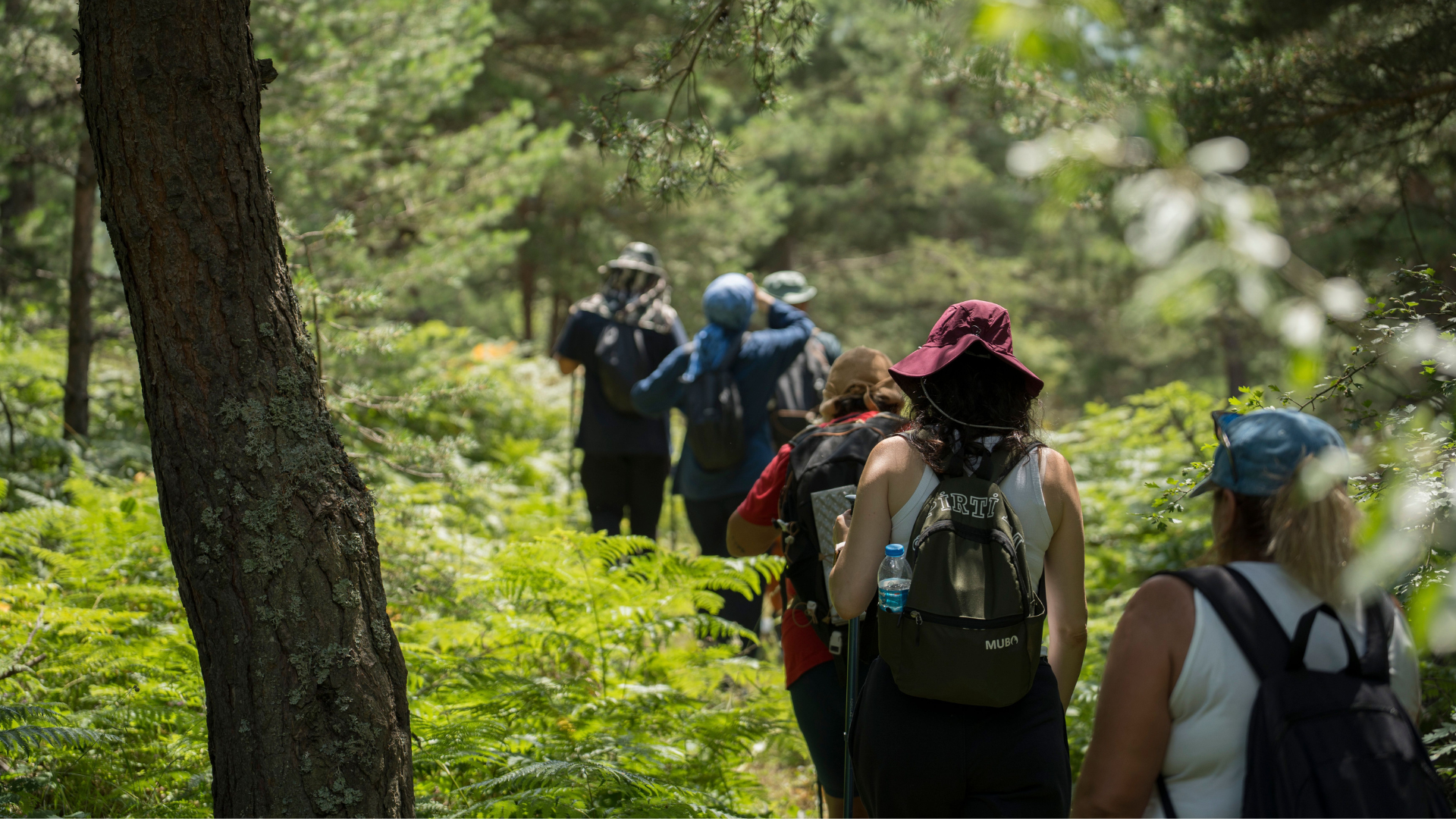
Belay Church Campout Basic Details WHEN: Friday-Monday, September 4-7, 2026 (Labor Day Weekend) WHERE: Glacier Basin Campground, Rocky Mountain National ParkRegister What about Sunday morning? There will be NO service at 2510 Kohler Drive (The Durbin’s house) We will have a worship service at the amphitheater in the Glacier Basin Campground at 10:30am. Baptism and lunch to follow! If you are coming just for worship on Sunday morning and don’t yet have a park pass, please show the following form to the Ranger at the gate (You may want to take a screen shot of it with your phone.) If you plan to stay in the park to recreate you still need a day pass. This is a great reason to carpool with someone who already has an America the Beautiful pass. What should I bring? Tent or RV Sleeping Bag and/or blankets Pillow Toiletries Flashlight/Headlamp Cookware/Dinnerware Meal Supplies (for yourself ) Food for Pot Luck to Share with others Friday night (Salads, Sides, Deserts, Fruit, Chips, Nuts, Snacks) and a way to warm or cool as needed) Water Bottle and hiking back pack Sunsceen Sun hat Hiking poles Bible Camp Chair Clean up kit NOTE: Belay is ONLY providing the campsite (a place to pitch a tent), Belay is NOT providing the basic gear you need to camp. We cannot have fires, but may use camp stoves. What about meals? Please be prepared to provide for your own meals! We will be sharing a few "potluck" style meals, too. Please bring food items to share. How do I register? Registration is free, but you’re welcome to make a donation (during the registration process) Spots are limited, so please register only if you’re nearly 💯 percent certain you can actually go.Register Schedule Please remember that someone in the car must have an America the Beautiful Pass or you must buy daily entrance pass. https://www.nps.gov/planyourvisit/passes.htm The campsite is covered by Belay Church. Also you do not need a timed entry onto Bear Lake Road as the campsite is on Bear Lake Road. Use this link to find our campground: https://maps.app.goo.gl/dqwAUN9Zmqys7Li87. At the Bear Lake Road Ranger Stop let the Ranger know that you are camping with a group @ site G004-M, D131, D150, D135, D148 Friday, Sept. 4 Arrival @ Glacier Basin Campground RMNP Go to site D131 for information Unpack and set up your camp site from 1pm on 6pm, Friday Feast Pot Luck (site G004-m) 8pm, Gather @ the Fire - 2 testimonies and worship Saturday, Sept. 5 Breakfast and lunch on your own 9:30am, Hike around Bear Lake, ride the shuttles 6pm, Chili Dinner @ 8pm, Gather @theFire - 2 testimonies and worship Sunday, Sept. 6 8am, Breakfast together! 10:30 am, Worship @ the Glacier Basin Amphitheater 1pm, Lunch together 4pm, Hike to the YMCA 6pm, Supper @ YMCA Cafeteria (price per person) 7pm, Hike Back to Campground 8pm, Gather@the Fire - 2 Testimonies and Worship Monday, Sept. 7 (Labor Day) Breakfast with Nicole! French toast and bacon Great Day to Climb, Hike, Bike, Do Art, Play Games Tuesday, Sept. 8 Check out by 12PM - noon Campground information For many, this is rough camping—there are no showers and no Electricity at your campsite! Glacier Basin Campground is beautiful, but we want you to know what you’re getting into. If you’re not a camper, the YMCA of the Rockies is just outside the park entrance and offers hotel-style rooms, a cafeteria, and plenty of activities. Glacier Basin Campground is on the east side of RMNP at 8,500 feet. To get there, drive about 5 miles up Bear Lake Road. The entrance is across from the Park & Ride parking area. If you have a reservation for Glacier Basin Campground, a “Timed Entry + Bear Lake Road” permit is included. Your campground reservation is also your vehicle timed entry pass. You can enter RMNP through the Grand Lake, Beaver Meadows, or Fall River entrances starting at 1 p.m. on the first day of your reservation. Be sure to print your reservation and keep it in your vehicle, as you’ll need to show it at the park entrance. Each campsite comes with a picnic table, fire ring with grate, and tent pad. Roads and parking spurs are paved. There are flush toilets and drinking water available, but remember—no showers. There’s a shuttle stop within the campground for the park’s free shuttle bus. This makes it easy to reach trailheads and scenic spots along the Bear Lake Road corridor. The area around the campground mixes Douglas fir, Lodgepole pine, Ponderosa pine, and some Engelmann spruce, with both sun and shade, plus grasses, shrubs, and wildflowers in the open meadows. Wildlife is plentiful. Mule deer and elk are common, but you might also see black bear, coyote, bighorn sheep, or moose. Rocky Mountain National Park has over 350 miles of hiking trails, from gentle lakeside strolls to tough mountain climbs. Wildlife viewing is a favorite activity—there are chances to spot elk, mule deer, bighorn sheep, hawks, songbirds, and more throughout the park. Finally, RMNP offers unforgettable scenic drives. More than a third of the park is alpine tundra. Trail Ridge Road and Old Fall River Road offer amazing views of land above the trees. Activities: Amphitheater Ranger Station Horseback Riding Hiking Fishing Camping Backpacking Biking Day Use Area Evening Programs Guided Interpretive Walks Interpretive Programs Kayaking Mountain Climbing Picnicking Skiing Scenic Drive Snowshoeing Visitor Center Wilderness Wildlife Viewing Canoeing Amenities : Vault Toilets Accessible Campsites Flush Toilets Ranger Station Food Storage Locker Shuttle Bus Service Amphitheater Recycling Utility Sinks Dump Station Drinking Water (peak season)

July 12, 2026 • 5 Minute Read
Can You Trust God in the Pit?
OVERVIEW 👀 In this heartfelt message, Patty Durbin walks us through the life of Joseph and shows how God stays close, shapes character, and works good even in the darkest seasons. Drawing from her own story of growing up as an outsider in a broken home, Patty invites us to expect trouble, trust God's presence, worship through hard work, and adopt a kingdom perspective that sees setbacks as soil for something beautiful. Joseph's journey from pit to prison to palace reminds us that no pain is wasted when God is with us.in the pit TIPS 📌 For the greatest impact, invite a few others to go through this study guide with you. You don't need to do every section and question—use what fits your group or season. Let the Spirit highlight where to slow down and engage. ICEBREAKER(S) 🧊 What's the weirdest dream you've ever had? BIBLE PASSAGE(S) 📖 Genesis 37:2-36 Genesis 39:1-23 Genesis 40:23-41:57 John 16:33 1 Corinthians 10:13 1 Peter 5:6-10 James 1:2-4 Romans 8:37-39 OBSERVATION 🔎 In Genesis 37, what specific actions and attitudes from both Joseph and his brothers contribute to the family's brokenness? What details stand out? Throughout Genesis 39, the phrase "the Lord was with Joseph" appears multiple times. In what different circumstances does this phrase show up, and what happens as a result? In Genesis 41, how does Joseph respond when Pharaoh asks him to interpret the dreams? What does his answer reveal about how he has changed since chapter 37? APPLICATION 👋 Patty said we live in a time when we think that following Jesus should make life easier, but Jesus told us to expect trouble. Where in your life have you been surprised or discouraged by hardship because you expected the Christian life to be smoother? Joseph came from a deeply broken family, yet God still used him in powerful ways. What parts of your own family story have you assumed disqualified you from being used by God? Sometimes we treat our background as a limit rather than as raw material God can shape. Patty talked about the difference between pain and harm—sometimes pain is actually good for us. Can you think of a painful season that ended up producing growth in you? Or one you're in right now that might be doing the same? This helps us reframe our current struggles instead of only trying to escape them. Joseph "worshiped God in his work"—whether as a slave, a prisoner, or a leader. What would it look like this week for you to treat your everyday tasks as worship rather than just something to get through? Worship isn't just Sunday singing—it's the posture we bring to Monday mornings. Potiphar's wife tempted Joseph day after day, and he eventually ran. What temptation in your life do you need to stop negotiating with and simply flee from? God promises a way out, but sometimes taking it means leaving your coat behind. Joseph was forgotten in prison for two more years after helping the cupbearer. Where does it feel like God has forgotten you or left you waiting? How are you tempted to respond? Waiting is often where our character gets shaped the most. Patty said the 17-year-old privileged, proud Joseph became a humble 30-year-old servant through years of hardship. What is God trying to shape or soften in you right now through your current circumstances? God is more interested in who we're becoming than in how comfortable we are. LIVE ON BELAY 🏔️ Reach out to someone this week who is in a "pit" season—send a text, buy them coffee, or simply sit with them and remind them they're not alone. Pick one job or task you usually dread and intentionally do it as worship this week, giving it your full heart as if you're serving the Lord. Identify one temptation or unhealthy pattern you've been flirting with, and put a real boundary in place—delete the app, change the route, tell a friend. Write down three "negatives" from your story and ask God how He might want to use them for good. Share one with a trusted friend or Belay'er. Invite someone new into your circle this week—someone who might feel like the outsider, the way Patty once did in her small North Dakota town. PRAYER 🙏 Thank God for being with you in every season—the pit, the prison, and the palace. Ask God to shape humility and steadfastness in you through the hard things you're walking through. Pray for someone you know who feels forgotten, discouraged, or overwhelmed by trauma. Ask the Holy Spirit to show you where you're negotiating with temptation and give you courage to flee. Pray for a kingdom perspective—that God would help you trust His plan even when your circumstances feel absurd. WORSHIP 🙌 OUTLINE 📝 Main Idea: God is with us in every pit, prison, and palace—using every hardship to shape us into who He created us to be. Expect Trouble, Pain, and Betrayal Joseph's broken family Brothers' betrayal and the cistern Jesus promised trouble in this world God Is With Us "The Lord was with Joseph" in Potiphar's house The Lord was with Joseph in prison God walks with us in water and fire Worship God in Your Work Fleeing temptation with Potiphar's wife Serving faithfully as a slave and prisoner Every task can be worship Adopt a Kingdom Perspective Forgotten but not abandoned Humble Joseph before Pharaoh God shapes character through difficulty Nothing Is Wasted Manasseh—God made me forget Ephraim—God prospered me in my sorrow God restores, confirms, strengthens, establishes Takeaway: No pit is too deep, no prison too long, and no pain too great for God to redeem—so keep trusting, keep worshiping, and keep walking with the One who is walking with you.

May 3, 2026 • 2 Minute Read
The Book of Acts Ends on an Adverb
The book of Acts ends on an adverb. Seriously. Luke—one of the most careful, polished writers in the early church—stops his story mid-sentence on the word "unhindered." Paul is under house arrest, the verdict is unclear, the churches are scattered, and Luke just… puts the pen down. It feels like a mistake. But I think it's actually the point. The story wasn't over when Luke stopped writing. It still isn't. The Spirit who came at Pentecost, the gospel that cut three thousand people to the heart, the unnamed men and women from Cyprus who just started talking about Jesus to their neighbors—that whole movement keeps going. And somewhere in the middle of it is you and me. I think a lot of us read the Bible like it's a closed book about people who lived a long time ago. But Acts refuses to let us do that. It hands us the pen. It says: keep writing. Keep walking. Keep telling people about Jesus in your kitchen, on your hike, at the coffee shop, in the carpool line. You don't need a title or a platform. The gospel reached the Gentiles because of people Luke didn't even bother to name. That's encouraging to me. The story of Jesus at work in the world has always moved forward on the backs of regular people who simply stayed devoted and stayed available. So—where are you in the story right now? Name it. Tell someone. And then take the next small step. This thought is based on this recent sermon by Kevan Ho:View Media

May 3, 2026 • 9 Minute Read
Where Are You in the Story God Is Still Writing?
In this message, Kevan Ho walks us through a sweeping survey of the first half of the book of Acts, showing how the early church was born, shaped, and scattered—all in the rhythm of God's mission. From the confrontation of the gospel to a community marked by devotion, from facing real problems to being sent out by unnamed everyday people, Kevan invites us to find ourselves in this ongoing story. The book of Acts ends mid-sentence on purpose, because the story of Jesus at work through His people is still being written—and we're part of it.View Media TIPS 📌 For the greatest impact, invite a few others to go through this study guide with you. You don't need to do every section and question—use what fits your group or season. Let the Spirit highlight where to slow down and engage. ICEBREAKER(S) 🧊 If you had to describe yourself as a "devoted fan" of something (a sport, a snack, a TV show, a hobby), what would it be and how embarrassing is the level of devotion? BIBLE PASSAGE(S) 📖 Acts 1:8 — But you will receive power when the Holy Spirit has come upon you, and you will be my witnesses in Jerusalem and in all Judea and Samaria, and to the end of the earth. Acts 2:1-4 — When the day of Pentecost arrived, they were all together in one place. And suddenly there came from heaven a sound like a mighty rushing wind, and it filled the entire house where they were sitting. And divided tongues as of fire appeared to them and rested on each one of them. And they were all filled with the Holy Spirit and began to speak in other tongues as the Spirit gave them utterance. Acts 2:36-38 — Let all the house of Israel therefore know for certain that God has made him both Lord and Christ, this Jesus whom you crucified. Now when they heard this they were cut to the heart, and said to Peter and the rest of the apostles, "Brothers, what shall we do?" And Peter said to them, "Repent and be baptized every one of you in the name of Jesus Christ for the forgiveness of your sins, and you will receive the gift of the Holy Spirit." Acts 2:42-47 — And they devoted themselves to the apostles' teaching and the fellowship, to the breaking of bread and the prayers. And awe came upon every soul, and many wonders and signs were being done through the apostles. And all who believed were together and had all things in common. And they were selling their possessions and belongings and distributing the proceeds to all, as any had need. And day by day, attending the temple together and breaking bread in their homes, they received their food with glad and generous hearts, praising God and having favor with all the people. And the Lord added to their number day by day those who were being saved. Acts 8:1-4 — And Saul approved of his execution. And there arose on that day a great persecution against the church in Jerusalem, and they were all scattered throughout the regions of Judea and Samaria, except the apostles. Devout men buried Stephen and made great lamentation over him. But Saul was ravaging the church, and entering house after house, he dragged off men and women and committed them to prison. Now those who were scattered went about preaching the word. Acts 11:19-21 — Now those who were scattered because of the persecution that arose over Stephen traveled as far as Phoenicia and Cyprus and Antioch, speaking the word to no one except Jews. But there were some of them, men of Cyprus and Cyrene, who on coming to Antioch spoke to the Hellenists also, preaching the Lord Jesus. And the hand of the Lord was with them, and a great number who believed turned to the Lord. Acts 28:30-31 — He lived there two whole years at his own expense, and welcomed all who came to him, proclaiming the kingdom of God and teaching about the Lord Jesus Christ with all boldness and without hindrance. OBSERVATION 🔎 In Acts 1:8, what does Jesus connect the power of the Holy Spirit to? Notice the geographic progression—what does it suggest about the scope of God's mission? In Acts 2:42-47, what four things were the early believers devoted to, and what specific behaviors flowed out of that devotion? In Acts 8:1-4 and 11:19-21, who is actually doing the preaching as the gospel spreads? What do you notice about how God uses the scattering? APPLICATION 👋 Kevan said the Christian message is sometimes comforting and sometimes deeply confrontational. Where in your life right now do you sense God comforting you, and where might He be confronting you? This question helps us recognize that a healthy walk with Jesus includes both being held and being challenged. Kevan reminded us that confrontation isn't shaming—it's like a doctor honestly telling us the diagnosis so we can be healed. When the crowd was "cut to the heart," they asked, "What shall we do?" Is there an area of your life where the Spirit has cut you to the heart but you haven't yet responded with repentance or change? Repentance simply means turning around—stepping down as king of your own life so Jesus can take the throne. Kevan shared his own story of being fourteen and hearing the gospel for the first time as the song his heart had been humming all along. The early church was marked by devotion—to teaching, prayer, fellowship, and one another. What are you actually devoted to right now (be honest), and what would it look like to grow in devotion to Jesus and His people? Kevan pointed out that devoted people can spot casual fans a mile away. Devotion shows up in how we spend our time, our money, and our attention. Ananias and Sapphira's sin wasn't a lack of generosity—it was wanting to appear more than they were. Where do you feel the pull to "image manage" in your spiritual life? This is the gap between who we are and who we want to appear to be. Kevan said the church should be a safe place to bring our honest selves in search of grace. When you see problems in the church (any church, including Belay), what's your default reaction—withdraw, complain quietly, or humbly bring it forward in a way that seeks solutions? The early church had real problems—neglect, deception, persecution—and they didn't pretend otherwise. Kevan highlighted that truthful, humble complaints brought to leadership actually moved the mission forward. Looking back at painful or disorienting seasons in your life, can you see places where God was writing a bigger story than the one you were feeling in the moment? Kevan reminded us that the scattering of the early church looked like loss but was actually the spread of the gospel. Our pain isn't wasted in the hands of a redeeming God. The gospel went to the Gentiles because of unnamed people from Cyprus and Cyrene who just started talking about Jesus. Who in your life right now might God be inviting you to simply have a conversation with? You don't need a title, a degree, or an official role to live on mission. Kevan shared how his family came to Colorado with one simple motto: "We're going to make friends for Jesus." LIVE ON BELAY 🏔️ Pick one person this week who doesn't know Jesus and pray for them daily by name. Then look for one natural opportunity to invite them into your life—coffee, a meal, a walk, a hike. Practice radical honesty with one trusted person this week. Share something real you've been hiding or managing, and let them speak grace and truth back to you. Identify one rhythm of devotion (Scripture, prayer, fellowship, generosity) that's been slipping, and rebuild it this week in a concrete way—even if it's small. Look for an "unnamed" act of kindness or witness you can offer someone this week. No platform, no spotlight—just a quiet conversation, a meal delivered, a need met. If you've been carrying a complaint or concern about something in the church, bring it forward humbly and truthfully to a leader or a Belay'er you trust, with a heart for solutions. PRAYER 🙏 Ask the Spirit to show you where you are in the Acts story right now—and to give you courage to name it honestly. Pray for someone in your life who needs to hear the gospel. Ask God to soften their heart and to give you the words and the moments. Pray for Belay to be a community marked by devotion, honesty, and joy—not image management or casual faith. If you're in a season of pain, loss, or disorientation, ask God to show you the bigger story He's writing, even when you can't see it. Pray for the unnamed Belay'ers quietly living on mission—at work, in neighborhoods, in schools, in homes. WORSHIP 🙌 OUTLINE Kevan opens by setting up the strange ending of Acts—Luke stops mid-story on the word "unhindered." The Great Commission in Acts 1:8 becomes the table of contents for the whole book: Jerusalem, Judea and Samaria, the ends of the earth. Pentecost in Acts 2: the Spirit comes communally and propels the disciples into mission. Peter's sermon confronts the crowd with both their sin and God's love—they are cut to the heart and respond with repentance and baptism. Kevan shares his own fourteen-year-old story of hearing the gospel for the first time. Acts 2:42-47: the early church is marked by deep devotion—to teaching, prayer, fellowship, generosity, and one another. Ananias and Sapphira: the sin of image management and deception, and the call to radical honesty in community. Acts 6: real problems of neglect in the church, and the model of truthful complaint, humble leadership, and faithful problem-solving. Acts 7-8: persecution, the scattering, and the bigger story God writes in the midst of pain and loss. Acts 11: unnamed men and women from Cyprus and Cyrene take the gospel to the Gentiles—shifting the center of gravity to Antioch. Kevan ties it back to his own family's move to Colorado and the everyday mission of making friends for Jesus. The book ends "unhindered" because the story keeps going—through us. Where are you in the arc?

July 5, 2026 • 6 Minute Read
What If God Himself Is the Blessing?
OVERVIEW 👀 In this message, Daniel Ziesing walks us through the Beatitudes in Matthew 5 and reframes what it really means to be "blessed." Rather than treating blessing as a Christian buzzword or a list of good things we hope God will hand us, Daniel shows how Jesus is describing the good life—a life of flourishing that flows from being poor in spirit, mournful over sin, gentle, hungry for righteousness, merciful, pure in heart, peacemaking, and even willing to be persecuted. The heart of the message is simple and profound: God Himself is our greatest blessing, and every other gift is secondary to knowing Him.God himself TIPS 📌 For the greatest impact, invite a few others to go through this study guide with you. You don't need to do every section and question—use what fits your group or season. Let the Spirit highlight where to slow down and engage. ICEBREAKER(S) 🧊 If you could inherit any one thing on earth (a mountain, a taco truck, an NFL team), what would you pick and why? BIBLE PASSAGE(S) 📖 Matthew 5:1-12 Now when Jesus saw the crowds, he went up on a mountainside and sat down. His disciples came to him, and he began to teach them. He said: "Blessed are the poor in spirit, for theirs is the kingdom of heaven. Blessed are those who mourn, for they will be comforted. Blessed are the meek, for they will inherit the earth. Blessed are those who hunger and thirst for righteousness, for they will be filled. Blessed are the merciful, for they will be shown mercy. Blessed are the pure in heart, for they will see God. Blessed are the peacemakers, for they will be called children of God. Blessed are those who are persecuted because of righteousness, for theirs is the kingdom of heaven. Blessed are you when people insult you, persecute you and falsely say all kinds of evil against you because of me. Rejoice and be glad, because great is your reward in heaven, for in the same way they persecuted the prophets who were before you." OBSERVATION 🔎 What repeated word or phrase stands out most as you read through the Beatitudes, and what patterns do you notice in how each verse is structured? What kind of people does Jesus describe as "blessed," and how does that list compare to how the world typically defines a blessed or successful person? Look at the second half of each Beatitude (the "for they will…" phrases). What is Jesus promising, and who is the one doing the giving? APPLICATION 👋 When you hear the word "blessing," what usually comes to mind first—God Himself, or the gifts and circumstances He gives? This question gets at the heart of Daniel's message. It helps expose where we might be treating God's gifts as the main thing rather than God Himself. Where in your life are you tempted to trust your own strength or goodness instead of admitting you're "poor in spirit"? Being poor in spirit isn't weakness—it's honesty. Take a minute to consider whether pride is quietly running the show anywhere. Are you more likely to laugh off your sin or genuinely mourn over it? Daniel quoted Richard Wurmbrand: "I hear a whole lot of laughing in America, but very little weeping." True mourning over sin leads us to real comfort and repentance. What "authority ladder" are you climbing right now that God might be asking you to step off of? Meekness is a broken stallion—still strong, but usable. Sometimes God's blessing looks like being freed from a fight that was never worth it. Would you say you're hungering and thirsting more for God's righteousness, or for your own comfort, reputation, or preferences? This isn't about guilt—it's about honestly noticing what you feed on most. What we hunger for shapes who we become. Is there someone in your life right now who needs mercy from you—and how does remembering the mercy you've received change how you approach them? If we've truly received mercy, we tend to give it. Withheld mercy might be a sign we've forgotten our own. Where might God be calling you to be a peacemaker, even if it means people insult or misunderstand you? Peacemaking isn't avoiding conflict—it's bringing people to God, who is our true peace. That will cost something. LIVE ON BELAY 🏔️ Read Matthew 5-7 this week in one sitting and jot down one line that convicts you and one that comforts you. Pick one person you've been withholding mercy from and take a tangible step—text, call, coffee, or forgiveness—to extend it. Share your salvation story (or a moment you felt closest to God) with one non-believing friend or neighbor this week. Practice "poor in spirit" prayer each morning for seven days—start with, "God, I need you today," before asking for anything else. Invite someone who's mourning (a loss, a hard season, their own sin) out for a walk or a meal and simply be present with them. PRAYER 🙏 Thank God for being the greatest blessing—more than anything He gives, He Himself is the gift. Ask the Spirit to soften your heart to genuinely mourn over sin—yours, your community's, and the world's. Pray for meekness—that God would break any wild rebellion in you and use you fully for His will. Ask God to make you merciful in a specific relationship where mercy feels hard. Pray for boldness to be a peacemaker who brings people to Jesus, even when it costs you. WORSHIP 🙌 OUTLINE 📝 Main Idea: God Himself is our greatest blessing—every other gift is secondary. What "Blessed" Actually Means Makarios / esher: happy, flourishing, the good life Not what the world calls the good life Jesus is redefining human flourishing The Eight Attitudes of the Blessed Life Poor in spirit — free from pride, receive God's mercy Those who mourn — brokenness over sin leads to true comfort The gentle — broken stallions who inherit through God's will Hunger and thirst for righteousness — satisfied yet still seeking The merciful — full of mercy because they've received mercy Pure in heart — pure devotion, undivided loyalty to God Peacemakers — bring others to God, the source of peace Persecuted — both by inner flesh and outer world The Point Behind the Points Every Beatitude points back to God as the reward Blessings in Scripture are always secondary to knowing God Salvation and spiritual maturity share the same posture Takeaway: Any blessing we receive should help us see God more deeply, turn us to repentance, and move us to share His love with others.

